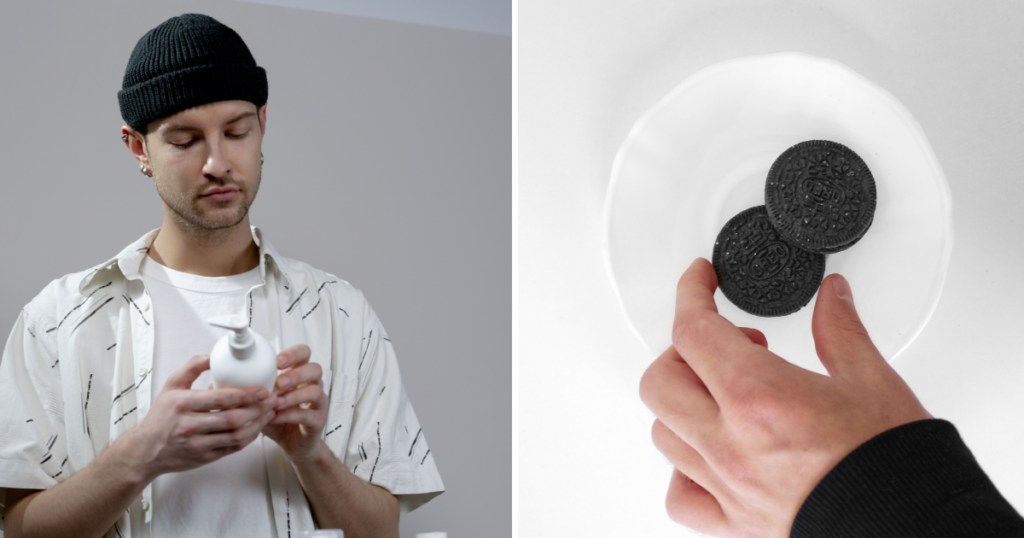
AI isn’t about just chatbots and image generators anymore. It is now entering the research labs and test kitchens behind products Americans use every day — from shampoo in the shower to cookies in the pantry.
Consumer giants including L’Oréal, Mondelez, Nestlé and Haleon are increasingly using AI to develop products faster, test new ingredient combinations and respond to changing consumer tastes, according to The Next Web. The shift could quietly change how quickly new beauty, food, and personal-care products reach store shelves.
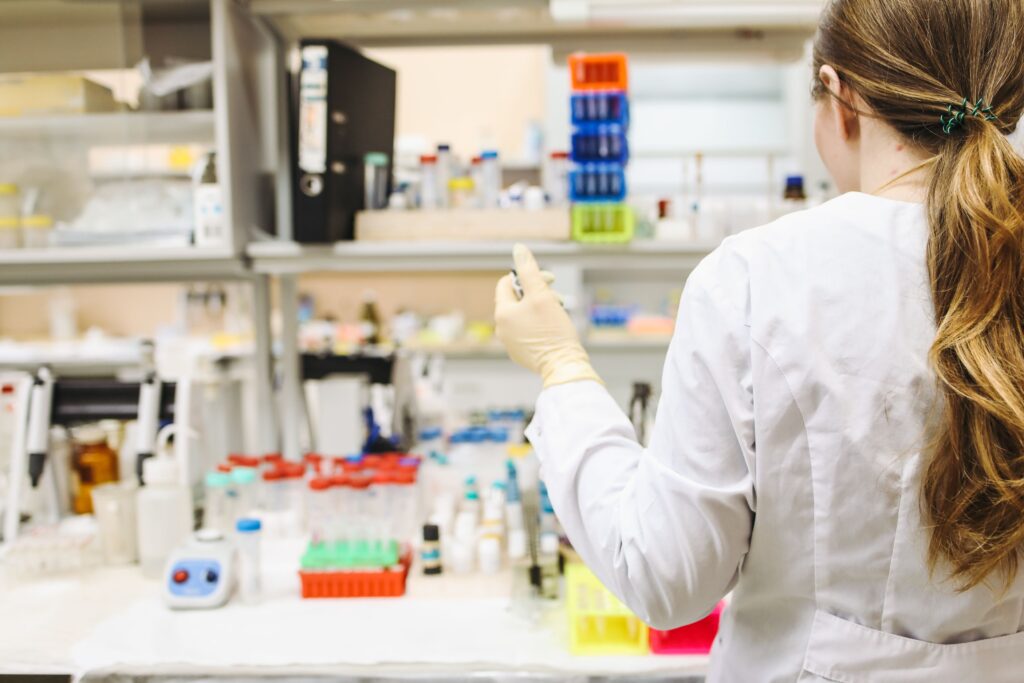
At L’Oréal, AI is already helping scientists find unexpected connections between ingredients. The beauty company has used the technology to identify molecules from skincare products that could be repurposed for shampoo. One recent innovation applied collagen-related science to a shampoo designed to give hair more lift and fullness.
The result is not just a new formula. L’Oréal can now create products four times faster than before, a senior executive said. At the Consumer Goods Forum’s Global Summit, Fabrice Megarbane, president of L’Oréal’s Consumer Products Division, talked about the vitality of “new associations of molecules and new benefits of molecules” in production.
The company’s wider AI ambitions support that direction. In March, L’Oréal announced work with Nvidia on predictive AI science that can simulate ingredient performance at an atomic scale.
AI is also finding its way into the cookie aisle.
Mondelez, the company behind Oreo, Chips Ahoy, Cadbury and Toblerone, is using AI to generate recipe ideas and optimise product formulations. Human experts still assess the suggestions, but the technology can explore combinations faster and reduce the number of physical samples required during development.
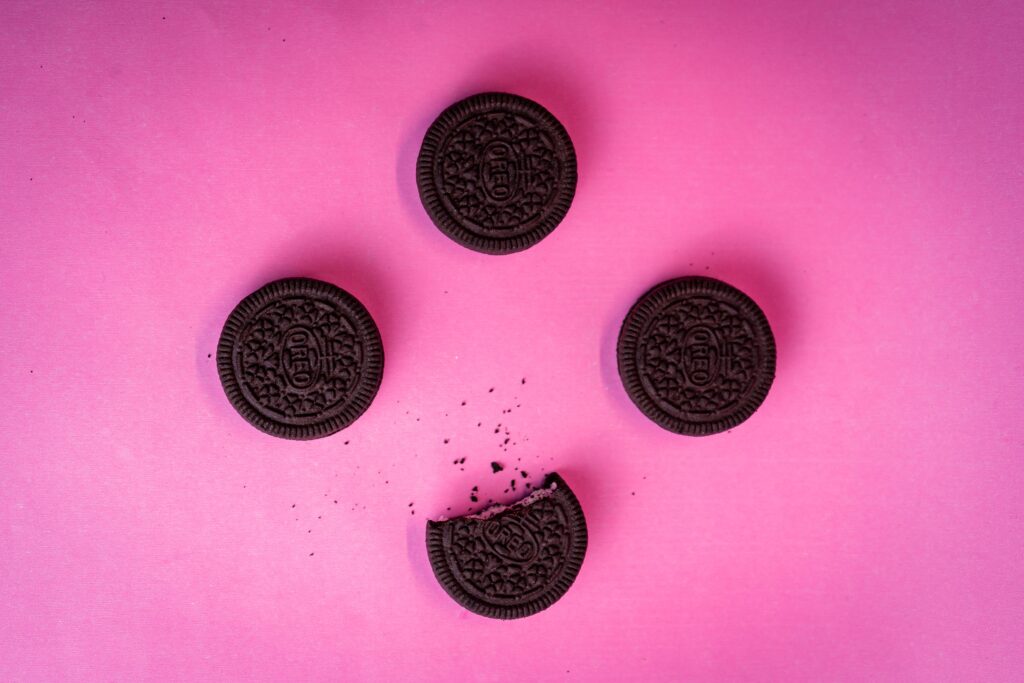
The system helped develop Gluten Free Golden Oreo cookies and a refreshed Chips Ahoy recipe. Mondelez said 60% of AI-produced recipes in its biscuit category performed better in areas including nutrition, sustainability and cost.
Filippo Catalano, Mondelez’s chief information and digital officer, called human innovation augmented by AI a “game-changer.” “AI capabilities are accelerating things you could do already, but compressing the time from months to weeks or years to months,” he adds.
The timing matters. Recent industry reporting has highlighted how snack makers face an increasingly difficult product brief: consumers want better nutrition, cleaner labels, sustainability, affordability and indulgent taste — often in the same product.
For shoppers, the AI makeover may be almost invisible. There may be no “AI-made” label on the shampoo bottle or cookie package.
But behind the familiar packaging, algorithms are increasingly helping scientists and food developers decide which molecules to combine, which recipes to test, and which ideas could reach shelves faster.